


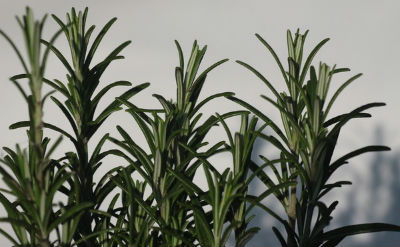
HERBS & SPICES:
Let's
begin with the difference between them. Herbs come from
the leaves or the leafy part of a plant, whereas the spice is
generally derived from either the seed or the berry of the plant.
Here
are some guideline to follow to keep your spices and herbs as fresh and
aromatic as possible
The
general ratio to substitute fresh herbs for dried is 3 to 1. That is, use 3
times as much fresh herbs as dried herbs that recipes might call for.
NEVER
store spices above the stove. It's very hot and can be humid.
Red
spices will maintain flavor and retain color longer if they are stored in the
refrigerator.
Store
spices in a cool place, away from any direct source of heat. The heat will
destroy their flavor.
Arrange
spices in alphabetical order and eliminate the problem of hunting through all
of them to find the right one.
Before
adding dried herbs, rub them between your palms or fingertips to release their
flavor.
"Chop"
fresh herbs, like chives and dill, by snipping with scissors.
Many
recipes call for parsley, most of the parsley found in stores is
of the "ornamental" type. For the flavor you should try to
find the Italian or Flat leaf variety.
Fresh
herbs will keep a week or more in the refrigerator if you store them upright in
a jar with water in the bottom; cover jar.
If
you are bunch-drying small herbs, such as thyme or oregano, you'll find that
their very short stems fall out of the string as they shrivel. Tie the small
herbs together in the MIDDLE of the bunch. They'll dry without falling.
Crush
dried herbs gently with a mortar
and pestle to enhance their flavor. Slightly bruising fresh herbs will
increase their effectiveness. A spice
grinder may also be effective here.
Since
many recipes call for both salt
and pepper, keep a
large shaker filled with a mixture of both 3/4 salt and 1/4 pepper is a
good combination.
Hope
this helps answer any questions as to the use or storing of spices, they can
make or break your preparation.
Happy
New Year,
Chef Phil
