


Posted by Rachel Schwartz on 1/19/2021 to
Now Ya Cookin'

There is nothing quite like making your own pizza at home. Using a pizza stone only enhances the homemade pizza experience as it can help imitate the effects of a brick oven and give you that perfectly crisp pizza crust. Typically made of stone or ceramic, a pizza stone's job is to absorb and retain the heat from the oven which in turn removes the excess moisture in the dough as it cooks, leaving you with a nice crispy crust.
Because most pizza stones are porous, it's important to know how to properly care for one as otherwise your stone could crack or give your future pizzas an unpleasant taste. The first thing to know about pizza stone care is to let it cool down completely before cleaning. Not only could you end up with burnt fingers if ignored but it could also damage the surface of the stone if you begin scraping off any stuck-on food before it has cooled down. The best way to clean a pizza stone is to scrape off any food left on its surface with a dry, stiff brush or a food scraper once the stone is cool to the touch. The, wipe down with a damp cloth.
Avoid using soap at all costs when cleaning! Because pizza stones are almost always made of a porous material, the stone will absorb the soap which will affect the taste of future pizzas. For this same reason, avoid completely submerging your pizza stone in water for any length of time as it will absorb too much water and may crack the next time it is used if that excess water has not been carefully dried out. If there is food stuck on the surface that will just not come off, you can soak your stone for a few hours or overnight as a last effort, but it is imperative that the stone be thoroughly dried out before using again. To help dry it out, place the stone in a warm oven for several hours so that the heat can gently steam the water out of the stone.
Even though most pizza stones are made out of stone, there is no need to season it before its first use as adding any oil could cause the stone to smoke or burn while it is preheating. A natural seasoning should begin to develop after the first few uses. Stains on the surface of the stone may also occur over time; however, this is natural and should not affect the flavor of your pizza. If you would prefer to avoid staining the surface or avoid the possibility of stuck-on food, simply place a layer of parchment paper between the stone and your pizza before placing it in the oven to cook.
Cleaning your pizza stone is not he only way to properly care for it--how you use it and store it are also important aspects of pizza stone care. If a pizza stone is not heated correctly, cracking due to thermal shock can occur. Thermal shock results when there is a too-drastic change in temperature too quickly. For example, placing a cold pizza stone into a hot oven or removing a pizza stone from a hot oven and placing it directly onto a cold countertop. To avoid this, it is recommended to place the stone into the oven and allow it to gradually heat up as the oven itself preheats. Then, once the oven has reached the designated temperature, place the pizza onto the stone and bake.
There are two popular choices for storing pizza stones: in a cabinet or drawer with other cooking items or on the bottom shelf of the oven. If you prefer to store it in a cabinet with other items, be sure not to place any heavy items on top of it (such as a Dutch oven or cast iron skillet) as this could potentially cause the stone to crack under the extra weight. If there is no room in the cabinet, you can also store your pizza stone in the oven itself. This is a favorite choice for many as not only does it free up space in the cabinets but it can also enhance other foods cooked in the oven as it will absorb moisture from the air and provide a central heating area underneath whatever it is being cooked.
A pizza stone that is properly cared for will not only provide you with delicious pizza but can also last for several years.
Tagged Products


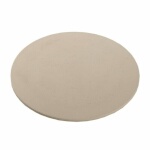
American Metalcraft STONE15 - Pizza Baking Stone, 15" dia. x 3/8"H, round, ceramic
American Metalcraft STONE15
$16.63 Each
Usually Ships in 24 Hours.

Shop all American Metalcraft.
