


Posted by Rachel Schwartz on 1/7/2021 to
Now Ya Cookin'

Eggs are one of the most used and most versatile foods in the kitchen. Despite this versatility, eggs can also be one of the hardest things to get right. For example, hard boiled eggs seem straight forward and yet peeling the finished product can be a nightmare. These tips and tricks should make whipping up different types of eggs even easier. Regardless of what style of egg you are making, it is best to begin with room temperature eggs.
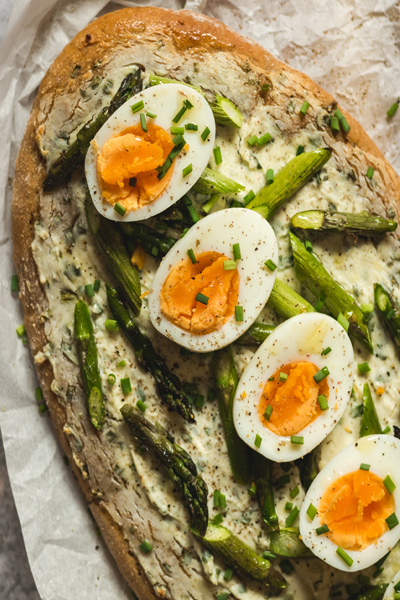
Hard Boiled Eggs
Hard boiled eggs can be one of the most frustrating eggs to get right because it can all fall apart when the peeling starts. There are several things you can do to get smooth, peeled eggs instead of rough, pockmarked ones because the peel didn't want to easily separate from the egg. The first and most common trick is to try peeling the egg while it is under gently running water. This can help separate the eggshell and the membrane layer from the egg and make peeling easier. Another trick is to add a little vinegar to the water the eggs are boiled in so the shells are easier to peel. Some prefer to gently crack the eggs just before putting them in the cold bath to cool down. The temperature change from hot to cold make the egg white contract, thus putting space between the hard boiled egg and its shell. A lesser-known tip is to check the freshness of the eggs. Using eggs that are a week or a few weeks old have less moisture and will stick less to the shell than fresher eggs.
To check the freshness of your eggs, put them in a bowl of water. If the egg sinks and stays on the bottom of the bowl then it is super fresh. If one corner is lifted, it is around a week old. If the egg is standing upright on one end, it is a few weeks old and should be eaten immediately. If the egg is floating at the top of the bowl, it is extremely old and should not be eaten.
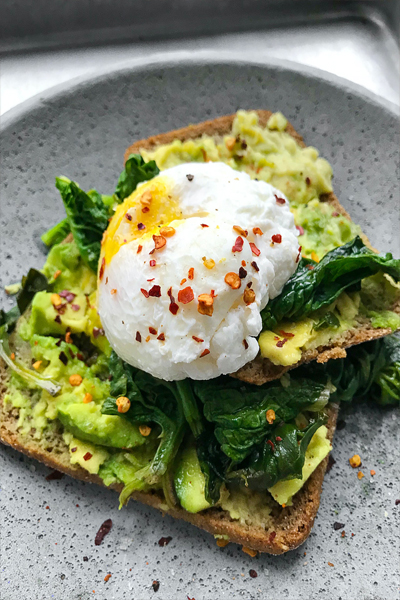
Poached Eggs
Poached eggs are a gently cooked, fluffy egg that many enjoy in the morning with a piece of toast. The biggest mistake in making poached eggs is often using too much water. Only a few inches of water in a shallow pot is needed as this makes it both easier to get the egg into the boiling water and lowers the chances that the egg white will get stringy or spread out. Adding a splash of vinegar to the water once it is boiling can also help the egg white set more quickly. Rather than cracking the egg directly into the boiling water and risking either burning yourself or ruining your egg, instead crack it into a bowl or cup and gently pour the egg from that into the water. This not only saves you and your egg but also allows you to get your egg closer to the water.
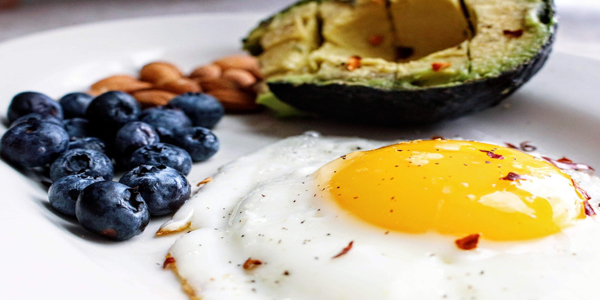
Over Easy Eggs and Sunny Side Up Eggs
While these two are often mixed up, the difference lies in how many sides of the egg get cooked. Sunny side up eggs are cooked on just one side while over easy eggs are gently flipped and cooked on both sides. Be careful not to use too much butter or oil when making either of these as a little goes a long way. Too much oil or butter will cause the edges of the egg white to turn brown and crispy. Unless you are intentionally trying to make over medium or over hard eggs, you will want to be sure to either remove the egg from the pan (sunny side up) or gently flip the egg over (over easy) once the egg white has completely set. If flipping, cook for no more than an additional 20-30 seconds on the second side.
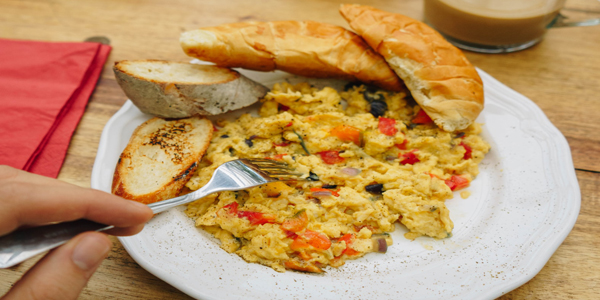
Scrambled Eggs
Scrambled eggs are perhaps the most common style of egg. However, they can be easy to burn or overcook if you aren't paying attention. As when cooking anything, it's important to pay attention and, in this case, use medium-low heat. To get the best scrambled eggs, stir or move the beaten eggs around the pan until they are soft but still a little runny and then remove them from the pan. Because eggs will continue to cook for a few minutes even after they've been taken off the heat, it is better to slightly undercook them rather than overcook them.
Omelets
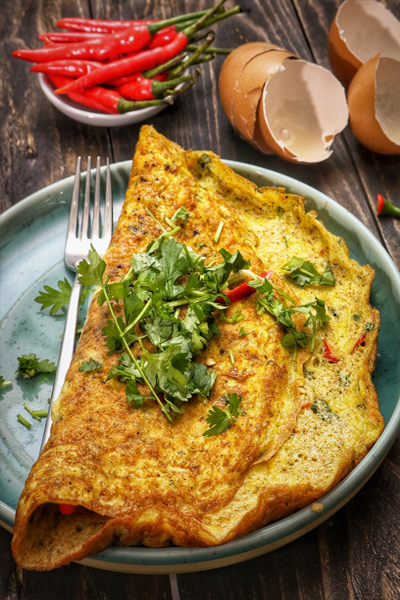
The most complicated style of egg in this post because it involves more than just eggs, omelets are nonetheless a good go-to staple to master. What goes into the omelet can vary widely, depending on ingredients on hand and personal preference. However, any ingredients that take a while to soften when cooking (ex. onions, bell peppers, carrots, etc.) and any meats should be cooked or warmed ahead of time in a separate pan and then added to the omelet. Because omelets are a single, large layer of cooked egg that is then folded in half, it's important to use a reliable non-stick pan so that this layer doesn't doesn't tear in the middle of cooking. If you are making more than one omelet, it is best to make them one at a time as they can quickly switch from fine to overcooked. To avoid overcooking, fold the omelet over when there is still a little liquid left in the eggs. This will also further blend the added ingredients with the egg.
