Posted by Rachel Schwartz on 7/14/2020 to
Now Ya Cookin'

Cooking is a necessity of life, but it is also an enjoyable hobby for a lot of people. For those with physical disabilities, cooking can be more challenging than enjoyable, but it doesn't need to be. By making a few changes either to the kitchen, your cooking process, or both, cooking can become an easier, more enjoyable task.
- Plan ahead. Double check your grocery list before shopping so that only one trip to the store is needed. A missing ingredient could throw off your cooking schedule later. It's also a good idea to work a little at a time, cooking one dinner at a time and saving any bulk cooking for days you either have more time or have someone to help.
- Prep. Make sure you have everything out needed to cook a dish before you start cooking. Grab all the ingredients you need from the refrigerator so that you make one trip instead of several. While this is a good idea for everyone, it can be especially important for those with physical disabilities. Prepping can also include readying ingredients such as cutting up any vegetables and measuring out spices prior to starting to cook.
- Go minimal in the kitchen. Having too many items stored in the kitchen can mean a less efficient use of space and slow down the cooking process. By decluttering the kitchen, not only is the process more streamlined, but it's also easier for anyone with a physical disability to store or reach various, often-used items.
- Cook smarter, not harder. If you need a break, take it. Continuing to cook if you are fatigued will prolong the process and make it harder on yourself than needed. Likewise, take advantage of various in the cooking process. Chop any vegetables and season any meat while sitting down at the kitchen table to reduce the amount of time spent standing. If cooking something on the stove for an extended amount of time, pull up a chair or stool to perch on while you keep an eye on the food.
- Make your kitchen work for you. Regardless of what challenges cooking may present, arrange your kitchen to best suit your needs. This can mean any number of things: getting ADA-friendly appliances installed, a hands-free faucet, organizing kitchen cabinets so that everything is within easy reach for wheelchair height, getting measuring cups written in braille, having a pull-out cutting board built into the counter, or investing in a side cart on which you can load items and push around the kitchen.
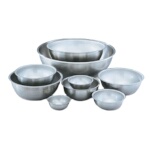
- Invest in proper cookware. There are some specialized tools available for those who need a pivot knife with their cutting board, for example, but thinking outside the box is also helpful. If glass or ceramic mixing bowls are too heavy to easily lift or move when mixing up ingredients, look into getting a set of mixing bowls that are made with stainless steel and rubber elements instead. For those who have difficulties with motor skills, find a knife with a large grip area and a sharp point. This will make the tool easier to handle while the sharper point will make cutting things easier as the sharp blade will stick easier in the food.
Tagged Products
$3,299.00 Each

$97.39 Each

(Discontinued) Update International KGE-02 - Utility Knife, 5", forged, German high carbon steel blade
Update International KGE-02
$6.07 Each